
Best Exercise During Menopause: Strength, Cardio and Balance
Strength training, weight-bearing moves, cardio and balance work protect muscle, bone, mood and sleep in menopause. Get the guidelines and a starter week.
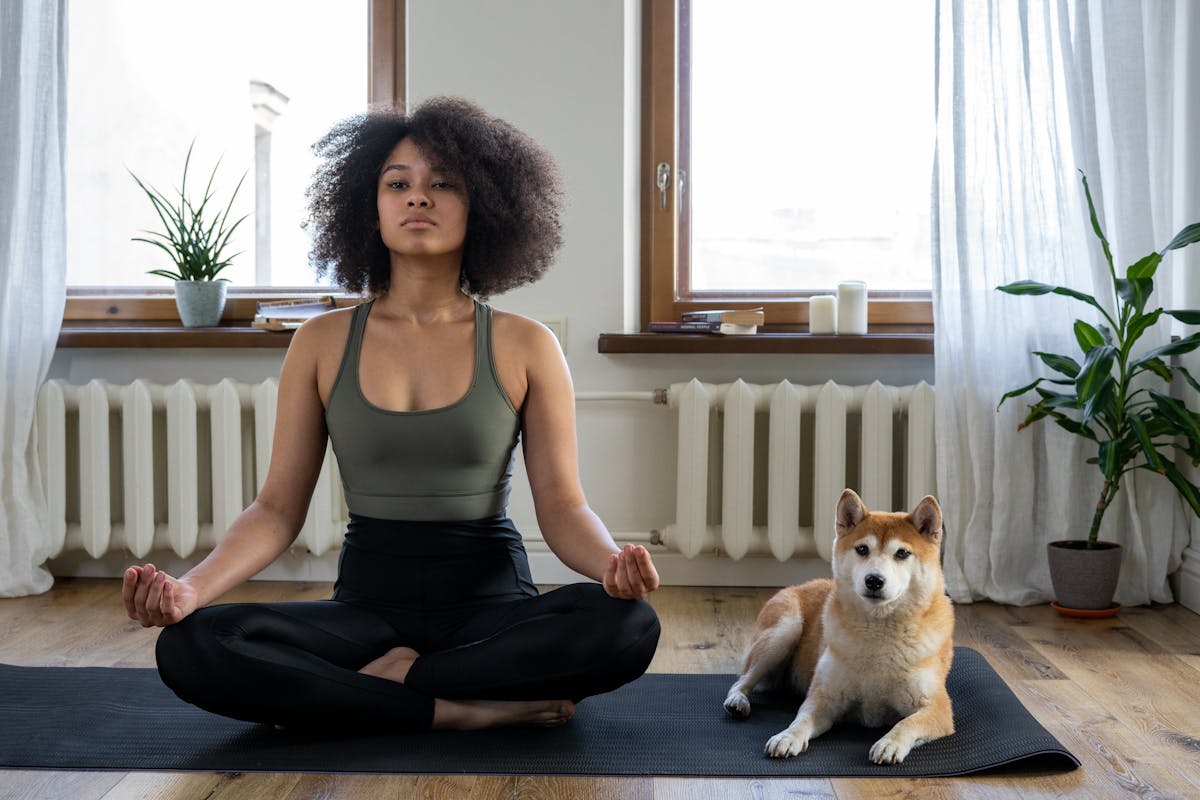
The best exercise during menopause combines strength training, weight-bearing activity, heart-pumping cardio and balance work. Federal guidelines recommend adults get at least 150 minutes of moderate aerobic activity a week plus muscle-strengthening on two or more days. That mix helps protect muscle, bone, heart, mood and sleep.
Menopause is a great time to rethink movement. You do not need to train for a marathon. You need a routine that fits your life, protects your body as hormones change, and feels good enough that you keep doing it.
Why is exercise so important during menopause?
As estrogen declines, women tend to lose muscle and bone more quickly, and heart disease risk rises. Regular activity helps on all of those fronts. It can also:
- Lift mood and ease stress and anxiety
- Help you fall asleep more easily and sleep more deeply
- Support a healthy weight and blood sugar
- Keep joints moving and reduce stiffness
- Improve balance, which lowers the risk of falls
Exercise is not a cure for hot flashes, but many women find they feel more in control of their bodies and their days when they move regularly.
How much exercise do you need each week?
The Physical Activity Guidelines for Americans from the U.S. Department of Health and Human Services recommend that adults get:
- At least 150 minutes a week of moderate-intensity aerobic activity (such as brisk walking), or 75 minutes of vigorous activity, or a mix
- Muscle-strengthening activities on 2 or more days a week that work all major muscle groups
- For older adults, balance training as part of a well-rounded routine
That breaks down to about 30 minutes, five days a week. Short bouts count too; three 10-minute walks add up.
What types of exercise are best after 40 and 50?
Strength training. Lifting weights, using resistance bands, or doing body-weight moves like squats and push-ups helps you keep muscle and strength. Start light and focus on good form.
Weight-bearing exercise. Activities where your feet and legs support your weight, such as walking, hiking, dancing, stair climbing and low-impact aerobics, put healthy stress on bones. Learn why this matters in our guide to bone health after menopause.
Cardio. Brisk walking, cycling, swimming and dancing strengthen your heart and lungs. The American Heart Association has simple tips for getting started.
Balance and flexibility. Tai chi, yoga, standing on one foot while brushing your teeth, and heel-to-toe walking all help steady you.
What does a simple starter week look like?
If you are new to exercise or coming back after a break, try this as a starting point and adjust to your fitness level:
- Monday: 20 to 30 minute brisk walk, plus 5 minutes of stretching
- Tuesday: Strength session, 20 minutes: squats to a chair, wall push-ups, resistance-band rows, glute bridges, and a short plank. One to two sets of 8 to 12 reps each.
- Wednesday: 20 to 30 minutes of cardio you enjoy, like cycling, swimming or a dance video
- Thursday: Balance and mobility, 15 to 20 minutes: gentle yoga or tai chi, single-leg stands near a counter
- Friday: Strength session again, same moves as Tuesday
- Saturday: A longer, relaxed walk or hike with a friend
- Sunday: Rest or an easy stroll
Each week, add a few minutes or a little more resistance. Consistency beats intensity.
How does exercise help menopause mood and sleep?
Physical activity releases tension and can improve mood, and regular movement is linked with better sleep quality. Timing can matter: some women find that hard workouts close to bedtime keep them wired, so try to finish vigorous exercise a few hours before bed. Morning or midday movement outdoors also gives you daylight, which helps set your body clock. For more on rest, see our post on menopause sleep problems and solutions, and for emotional well-being, menopause mood changes.
How can you exercise safely during menopause?
- Warm up and cool down for 5 minutes each.
- Dress in layers and keep water nearby if hot flashes flare during workouts.
- Progress slowly. Increase time or weight a little at a time.
- Protect your pelvic floor. If you leak urine with jumping or lifting, a pelvic floor physical therapist can help.
- Listen to pain. Muscle soreness is normal; sharp or joint pain is not.
- If you have osteoporosis, ask about which movements to avoid, such as deep forward bending or twisting under load.
When should you talk to a doctor before exercising?
Check with your doctor before starting a new program if you have heart disease, high blood pressure, diabetes, osteoporosis, joint problems or have been inactive for a long time. Stop and get medical help right away if you have chest pain or pressure, severe shortness of breath, fainting, or dizziness during activity. Your doctor or a physical therapist can tailor a plan to you.
Want help thinking through how to fit movement into a busy week, or preparing questions for your doctor? Valerie, the free AI companion from Her Natural Edge, offers plain-language menopause education in English, Spanish and Vietnamese, any time of day. Start a conversation with Valerie at Her Natural Edge.
FAQ
What is the best exercise for menopause belly fat?
No exercise targets fat in one spot. A mix of strength training and regular cardio, along with good sleep and balanced eating, supports healthy body composition overall.
Is walking enough exercise during menopause?
Brisk walking is a great foundation and counts toward your 150 weekly aerobic minutes. Add muscle-strengthening at least two days a week to help protect muscle and bone.
Can exercise make hot flashes worse?
Some women feel warmer during and right after a workout. Exercising in a cool space, dressing in layers and staying hydrated can help. Over time, many women find regular activity makes them feel better overall.
Is it safe to lift weights after menopause?
For most women, yes, and it is one of the best things you can do for muscle and bone. Start with light weights, learn good form, and talk to your doctor first if you have osteoporosis or other health conditions.
#Menopause #ExerciseAfter50 #StrengthTraining #Perimenopause #BoneHealth #HealthyAging #WomensHealth #HerNaturalEdge