
What Should You Eat During Menopause? Foods That Really Help
Protein, calcium, vitamin D, fiber and heart-smart fats matter more in menopause. See which foods help, which may trigger hot flashes, and what to limit.
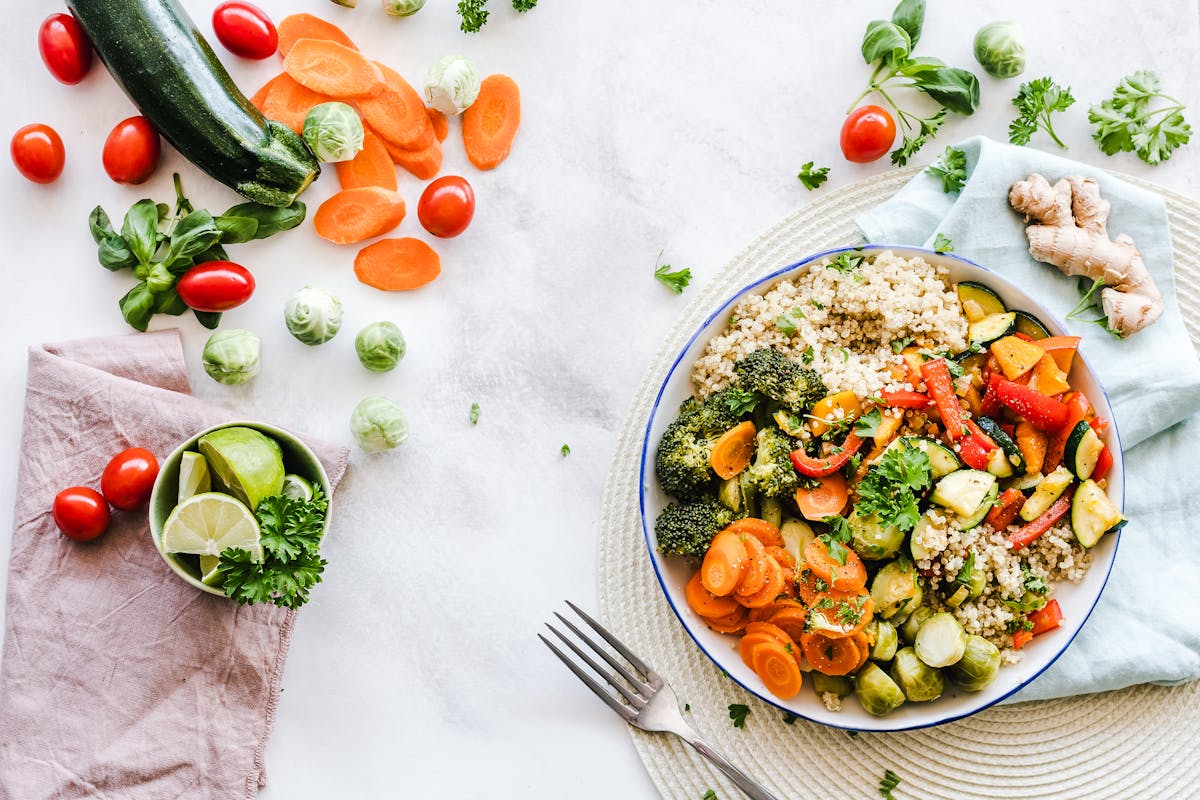
The best menopause diet centers on enough protein, calcium and vitamin D for muscles and bones, plenty of fiber from plants, heart-healthy fats, and modest amounts of soy or other whole foods if you enjoy them. Limiting alcohol, excess caffeine and spicy foods can also help if they trigger your hot flashes.
There is no single "menopause diet," and you do not need to buy anything special. What changes in midlife is that your body becomes less forgiving: muscle and bone are easier to lose, heart risk rises after menopause, and certain foods may make hot flashes or sleep worse. Here is how to eat with those changes in mind.
What should you eat more of during menopause?
A simple plate model works well: half vegetables and fruit, a quarter protein, a quarter whole grains or starchy vegetables, plus a little healthy fat. The Dietary Guidelines for Americans follow a similar pattern built on variety and nutrient-dense foods.
Focus on these building blocks:
- Protein at every meal. Fish, poultry, eggs, beans, lentils, tofu, Greek yogurt and nuts help protect muscle, especially when paired with strength training.
- Calcium-rich foods. Dairy, fortified plant milks, canned salmon or sardines with bones, tofu made with calcium, and leafy greens.
- Vitamin D sources. Fatty fish, eggs and fortified foods. Many people need to talk with their doctor about whether they need a vitamin D test or supplement.
- Fiber. Vegetables, fruit, beans, oats and whole grains support digestion, fullness and healthy cholesterol.
- Healthy fats. Olive oil, avocado, nuts, seeds and fatty fish in place of butter and fried foods.
Why do calcium and vitamin D matter more after menopause?
Estrogen helps protect bone. As it declines, bone loss speeds up, which raises the risk of osteoporosis and fractures. Calcium is a key building material for bone, and vitamin D helps your body absorb it. The Bone Health & Osteoporosis Foundation offers food lists and guidance on how much you need. For the full picture, read our guide to bone health after menopause.
Do soy and phytoestrogen foods help menopause symptoms?
Soy foods such as tofu, tempeh, edamame and soy milk contain plant compounds called isoflavones, sometimes called phytoestrogens. Research on whether they ease hot flashes is mixed: some women notice a modest benefit, many notice none.
A balanced way to think about it:
- Whole soy foods can be a healthy, affordable protein source either way.
- Flaxseed, chickpeas and lentils also contain plant compounds and add fiber.
- Food is not a replacement for medical treatment if symptoms are disrupting your life.
- If you have a history of hormone-sensitive cancer, ask your doctor before making big changes to soy intake or taking concentrated soy supplements.
Which foods and drinks can make hot flashes worse?
Triggers vary from woman to woman, but common ones include:
- Alcohol, especially red wine and evening drinks, which can also disrupt sleep
- Caffeine, particularly in large amounts or later in the day
- Spicy foods and very hot drinks
- Large, heavy meals close to bedtime
Try a simple two-week food and symptom log. If you notice a pattern, cut back on that trigger and see if things improve. More ideas are in our post on natural ways to manage hot flashes.
How can you eat for heart health after menopause?
Heart disease risk climbs after menopause, and heart disease is a leading cause of death for women. The American Heart Association recommends an eating pattern rich in vegetables, fruit, whole grains, beans, nuts, fish and lean protein, with less sodium, added sugar, processed meat and saturated fat.
Easy swaps:
- Olive oil instead of butter
- Beans or lentils in place of some red meat
- Water or sparkling water instead of sugary drinks
- Herbs, spices and citrus instead of extra salt
Should you take a multivitamin during menopause?
Food comes first, but some women like a multivitamin as a backup for days when meals fall short. Natural Extract Ultra Multivitamin for Women is one option. These statements have not been evaluated by the Food and Drug Administration. This product is not intended to diagnose, treat, cure, or prevent any disease.
Check with your doctor or pharmacist before starting any supplement, especially if you take prescription medication, since some vitamins and minerals can interact with medicines.
When should you talk to a doctor or dietitian?
Book an appointment if you have unexplained weight changes, digestive problems, a history of eating difficulties, diabetes, high cholesterol, kidney disease, or a family history of osteoporosis. A registered dietitian can build a plan around your health, culture and budget. Your doctor can check cholesterol, blood sugar, vitamin D and bone health, and discuss menopause treatment options. The Office on Women's Health has helpful background to read before your visit.
Not sure where to start, or want help turning these ideas into questions for your doctor? Valerie, the free AI companion from Her Natural Edge, gives plain-language menopause education in English, Spanish and Vietnamese, any time of day. She is not a doctor or dietitian, but she can help you feel prepared for that conversation. Chat with Valerie at Her Natural Edge.
FAQ
What is the best diet for menopause?
There is no single best diet, but a pattern built on vegetables, fruit, whole grains, beans, lean protein, calcium-rich foods and healthy fats supports bones, muscles and heart. It is similar to the pattern recommended in the Dietary Guidelines for Americans.
How much protein do I need in menopause?
Needs vary by body size, activity and health conditions. A practical goal is to include a source of protein at every meal and snack. Ask your doctor or a registered dietitian for a personal target.
Does soy help with hot flashes?
Studies are mixed. Some women report a modest improvement, while others notice no change. Whole soy foods are a healthy protein choice either way, but they are not a substitute for medical care.
Can cutting out coffee reduce hot flashes?
For some women, yes. Caffeine is a common trigger, so try reducing it for two weeks and track your symptoms. Cutting back gradually can help you avoid headaches.
#Menopause #MenopauseNutrition #Perimenopause #HealthyEating #BoneHealth #HeartHealth #WomensHealth #HerNaturalEdge